This moving out for the first time checklist helps new renters plan each step with less stress. Set a move date, review the lease, make a budget, sort your things, and pack with care. Then plan moving day and prepare the new home before unpacking every box.
Moving into a first apartment or home can feel exciting and new. It also brings many tasks that may not be familiar. A clear moving checklist helps prevent missed dates, broken items, and last-minute problems.
Beaumont Movers helps renters plan careful loading, transport, and delivery. Local needs can differ in Beaumont, so the steps below offer a simple plan for many homes and apartments.
Table of Contents
- What should you do first when moving out for the first time?
- How do you decide what to take to your first home?
- What should you know before signing a lease?
- How do you prepare your current home before moving out?
- What packing supplies do first-time movers need?
- How should you pack fragile and important belongings?
- Should you hire movers or move everything yourself?
- What should you do on moving day?
- What needs to be set up after moving into your first home?
- What are the most important first-time moving checklist reminders?
- Frequently Asked Questions
- Conclusion
What should you do first when moving out for the first time?
The first step is to choose a move date and plan backward from it. This gives you time to read the lease, gather supplies, sort your things, and arrange help. Even a small move can take several weeks when you are doing it for the first time.
Set a realistic moving timeline
Write down the lease start date, move-out date, and notice deadline. Add dates for packing, cleaning, utility changes, key pickup, and the final inspection. A shared calendar can help everyone follow the same plan.
Check the building rules early. Some apartments need an elevator booking, a loading area, proof of insurance, or a set move-in time. Asking about these rules before moving day can help prevent delays.
A moving checklist for renters should also show who handles each task. One person may pack the kitchen while another sets up utilities. Giving each task a date makes the work easier to manage.
Create a first-time moving budget
Your budget should include boxes, tape, cleaning supplies, transport, storage, meals, deposits, and new household items. Costs can change based on distance, stairs, access, item weight, timing, and the help you need. The actual cost from a moving company is confirmed when you get in touch.
Leave room for small needs after you arrive. A first home may need shower curtains, light bulbs, trash bags, tools, and basic food. Planning for these items can make the first week calmer.
Do not spend your whole budget before moving day. Keep some money ready for parking, extra supplies, or a last-minute change. A simple written budget can help you see what is needed and what can wait.
How do you decide what to take to your first home?
A first home does not need to hold everything from your old home. Keep useful items in good condition, donate items that no longer fit, and discard damaged things. Less clutter makes packing, moving, and unpacking much easier.
Sort belongings by necessity, use, and condition
Use four groups: take, donate, recycle, and discard. Ask whether each item has a clear use in the new home. If something has not been used for a long time and has little value, leaving it behind may be the best choice.
Clothes, books, kitchen tools, and decorations can fill many boxes. Sort one small area each day instead of waiting for one large task. Keep personal records, keepsakes, and useful tools in a separate group.
This is the right time to declutter before moving. Do not pack items only because you already own them. A smaller load may take less time to pack and leave more room in the new home.
Plan for furniture and household essentials
Measure large furniture before moving it. Check doors, halls, stairs, elevators, and room sizes in the new home. A sofa may fit the living room but fail to fit through the front door.
Start with daily needs before decorations. A bed, bedding, towels, dishes, basic cookware, cleaning items, and a few tools are useful first choices. You can add other items after you learn how the space works.
Storage may help when the new lease begins before the old home is empty. Choose a unit size based on the things that truly need storage. Avoid paying to store items you no longer want.
What should you know before signing a lease?
Before signing, understand the lease, move-in costs, repair duties, and building rules. A lease is a legal agreement between you and the property owner. Ask about unclear terms before signing, and try to get important answers in writing.
Review rent, deposits, fees, and lease terms
Check the rent amount, due date, security deposit, late rules, renewal terms, and early move-out rules. Look for rules about guests, pets, noise, painting, subleasing, and renters insurance.
The lease may explain how much notice you must give before leaving. It may also say how the home must be cleaned and how keys must be returned. Learning these details early can help protect your deposit.
Keep a copy of the signed lease in a safe place. You may need it when setting up utilities, checking move-in rules, or answering questions about repairs. Do not rely only on memory.
Check utilities, parking, access, and move-in rules
Ask which utilities are included and which ones you must set up. Confirm internet options, trash service, parking permits, package delivery, and access hours. Ask how a moving truck or large vehicle can reach the building.
Move-in rules matter for both renters and movers. Some buildings limit elevator use or require floor coverings. Beaumont Movers can help renters think through stairs, loading areas, access, and furniture protection before moving day.
Write down the name of the person who handles building questions. Save messages about the move-in time, parking space, and elevator. Clear notes can help if the plan changes.
How do you prepare your current home before moving out?
Your current home should be cleaned, checked, and documented before the last items leave. Starting early gives you time to fix small issues and follow the lease. It also keeps the final day from becoming too rushed.
Complete cleaning and minor repairs
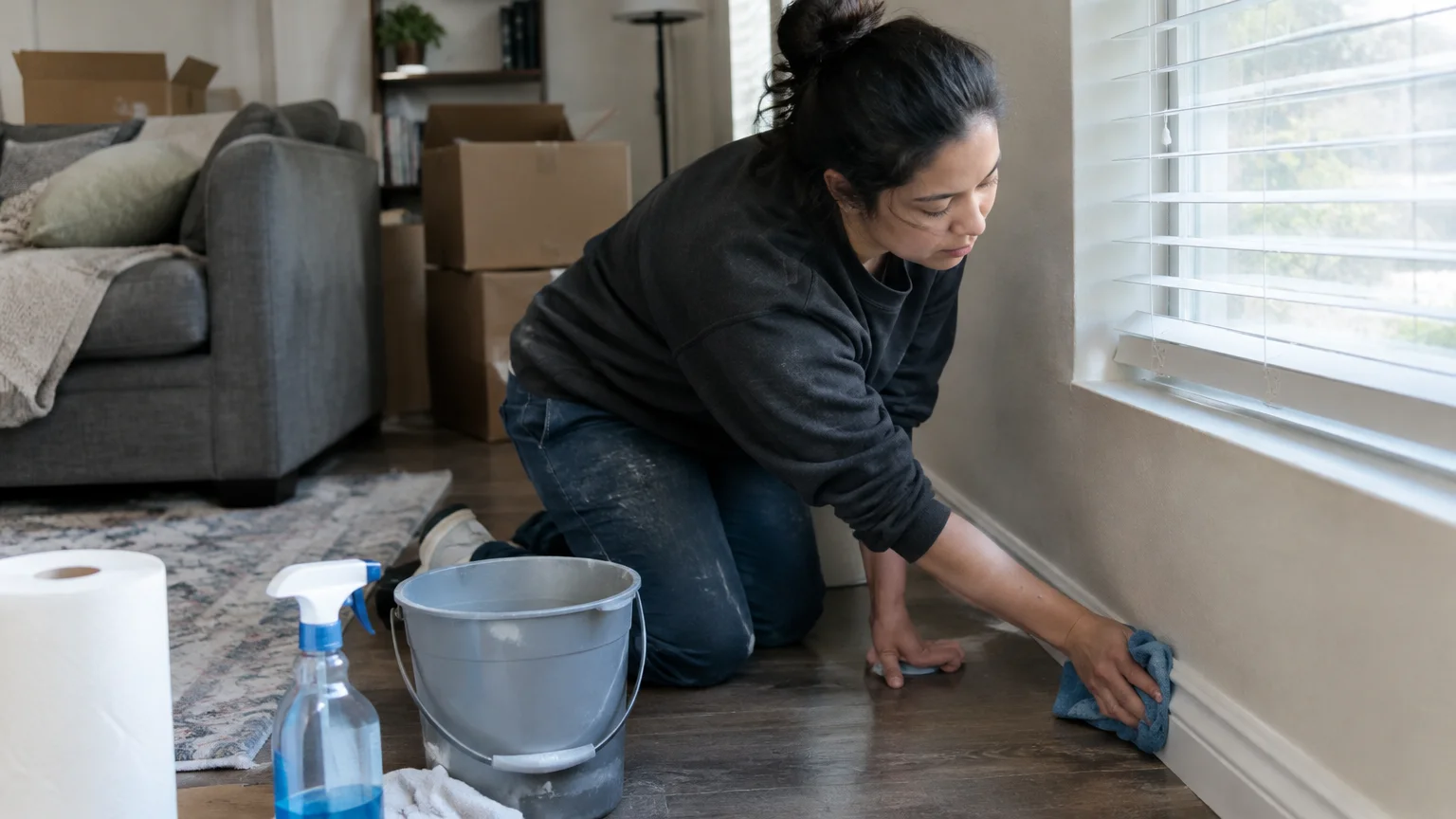
Follow the cleaning list in the lease first. Common tasks include wiping cabinets, cleaning appliances, removing trash, vacuuming floors, and cleaning bathrooms. Do not make a repair that could cause more damage without permission.
Small jobs may include replacing a smoke detector battery, filling small nail holes, or replacing a damaged blind. Rules differ from one lease to another, so check what your agreement requires. A written cleaning list can keep the work on track.
Clean one room at a time and remove finished supplies from the space. This makes it easier to see what remains. Save the final cleaning for after furniture and boxes are gone.
Protect your deposit and document the property
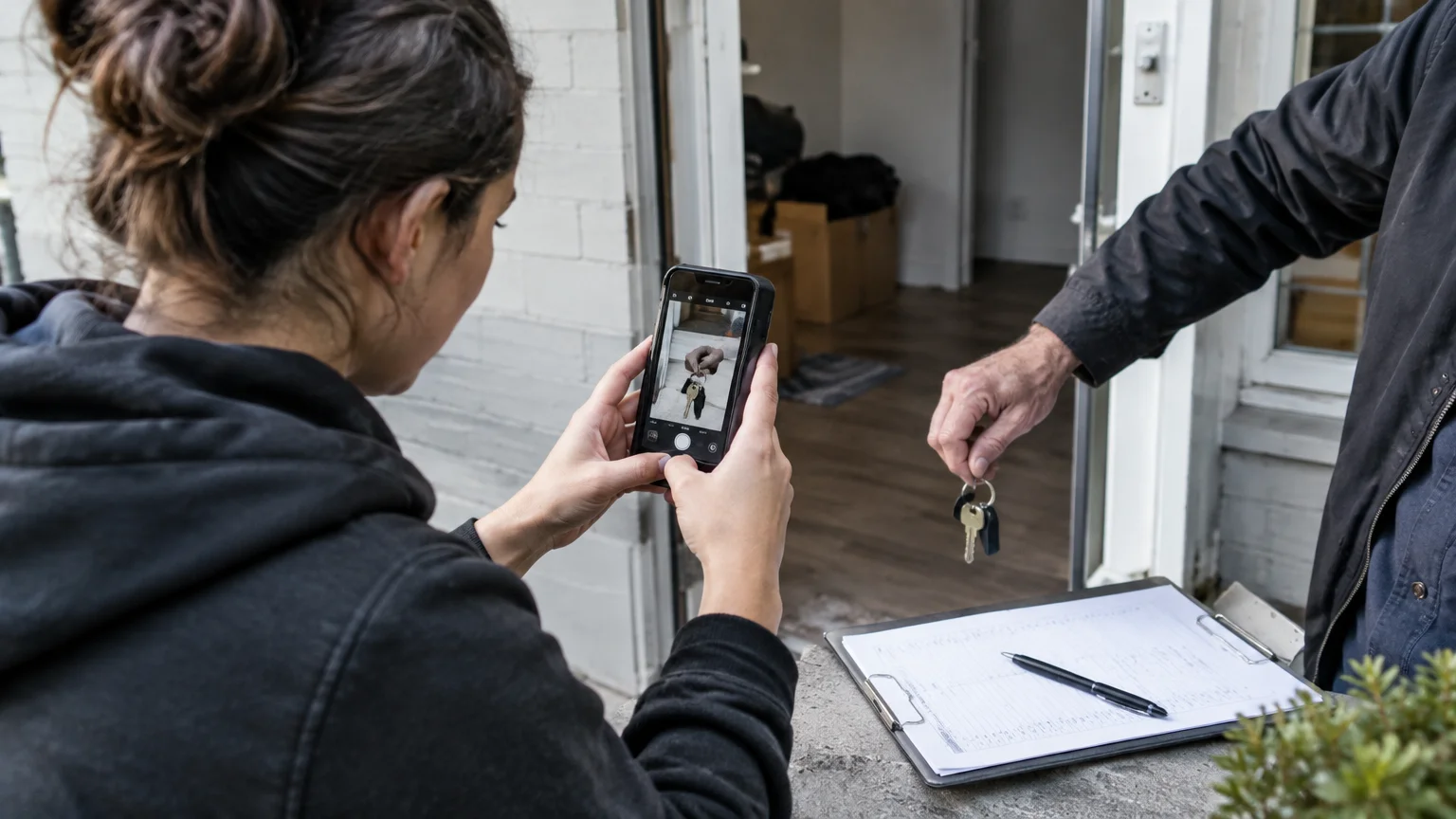
Take clear photos or video of each room after cleaning. Include floors, walls, appliances, windows, and any damage that was already there. Save copies of the move-out notice, repair messages, cleaning receipts, and key-return details.
Remove items from closets, cabinets, drawers, patios, and storage spaces. A final walk-through can find things that are easy to miss. These records may help if questions later come up about the home's condition.
Keep the photos with your lease papers. Add the date to your notes if your phone does not do this automatically. Good records are useful when you need to explain what the home looked like when you left.
What packing supplies do first-time movers need?
Most first-time movers need strong boxes, packing paper, tape, labels, and markers. Protective wrap can help with breakable goods. Clean reused boxes may work, but weak or damp boxes should not hold heavy items.
Choose boxes and protective materials
Small boxes work well for books, canned goods, and tools. Medium boxes suit many home items. Large boxes are better for light items such as pillows, linens, and clothes. Do not fill large boxes with heavy objects.
Use clean paper or safe padding around fragile goods. Tape the bottom of every box before filling it. Bags, zip ties, plastic wrap, and labels can help keep cords, hardware, and loose parts together.
Keep a marker in an easy-to-find place. You may need to label a box after it is sealed. Extra tape and a pair of scissors should also stay nearby during packing.
Pack room by room and label every box
Pack one room at a time and keep similar items together. Fill empty spaces so items cannot shift, but do not force things into a box. Write the room and a short item name on each label, such as kitchen, mugs, or bathroom towels.
Mark boxes that need careful handling. Keep an inventory for valuable or important items. The first boxes opened should contain bedding, toiletries, chargers, clothes, cleaning supplies, and basic kitchen items.
Pack a small box for each main part of the first day. This may include bathroom supplies, food, work items, or pet needs. Clear labels help you find those boxes without opening everything.
How should you pack fragile and important belongings?
Fragile items need padding, firm boxes, and careful stacking. Glassware, dishes, electronics, artwork, and valuables should not move loosely inside a box. The goal is to limit movement while keeping each box safe to lift.
Protect glassware, electronics, and valuables
Wrap each dish, bowl, or glass separately. Place heavier pieces at the bottom and lighter pieces above them. Plates often travel better on their edge, with padding between them, than stacked without protection.
Use the original boxes for electronics when possible. Remove batteries from devices that will be stored, protect screens from pressure, and label cords before packing them. Keep jewelry, cash, keys, and small valuables with you instead of placing them in the moving truck.
Do not put heavy items on top of fragile boxes. Tell anyone helping you which boxes need care. A clear label can prevent a box from being handled the wrong way.
Keep documents, medication, and essentials with you
Important documents should travel in a personal bag. These may include identification, lease papers, school or work records, insurance details, and financial papers. Keep medication easy to reach during the trip.
A first-night bag should hold clothing, toiletries, chargers, towels, snacks, water, basic tools, and bedding. Keep this bag separate from the moving boxes. That way, you will not need to open many boxes after a long day.
If you have children or pets, add their key items to the same plan. Keep food, medicine, comfort items, and needed records close. Simple preparation can make the first night feel much easier.
Should you hire movers or move everything yourself?
The right choice depends on the move size, distance, access, time, and help available. A do-it-yourself move may suit a small load with easy access. Professional movers may help when there are heavy items, stairs, or a short deadline.
Compare the real cost of DIY moving
DIY planning should include truck rental, fuel, mileage, supplies, equipment, meals, parking, and help. Think about missed work and the chance of injury or damage too. A smaller payment does not always mean a smaller overall cost.
You may also need a hand truck, furniture pads, straps, and a loading plan. Never lift very heavy items alone. Friends should know the schedule, job, and safety limits before they agree to help.
Ask whether the truck size matches your belongings. A truck that is too small can cause a second trip. A truck that is too large may be harder to park and load safely.
Know when professional help saves time and risk
Professional help may be useful for apartment moves, tight stairs, bulky furniture, long drives, or short deadlines. Apartment Movers can help with elevators, stairs, narrow spaces, and building rules. Furniture Movers may help with heavy pieces that need careful handling.
When comparing local movers, ask what services are included and how the move will be planned. Ask how furniture and floors are protected. Reviews can offer clues, but clear answers and written details matter too.
Beaumont Movers serves renters and households in the main Beaumont area. Moving help is available for homes near Old Town, Caldwood, Vidor, Lumberton, Nederland, China, and nearby communities. The right plan depends on the home, access, and items being moved.
What should you do on moving day?
Moving day works best when you follow a written plan. Keep the keys, lease papers, phone charger, medication, and first-night bag close. Everyone should know which items are fragile and which boxes should load last.
Follow a practical loading and departure checklist
Use this order for a smoother departure:
- Protect floors, walls, doors, and shared areas before carrying items.
- Load heavy furniture first and keep lighter boxes from being crushed.
- Keep fragile items stable and away from loose tools or heavy equipment.
- Check closets, cabinets, drawers, patios, attics, and storage spaces.
- Confirm that keys, documents, medication, and personal bags stay with you.
- Record meter readings or other property details before leaving.
The plan may change because of rain, parking, stairs, or building access. Choose one calm person to direct the work. Keep the checklist nearby so tasks are not forgotten.
Complete the final walkthrough
Do the final walk-through after every item leaves. Check for damage from the move, clean surfaces again if needed, and make sure windows and doors are secure. Return keys in the way required by the lease.
Take final photos and keep proof of key return. If a problem appears, report it soon and save the message. A careful departure can make the end of the old lease much easier.
Do not leave cleaning supplies or personal items behind unless the property owner allows them. Check outdoor spaces and shared storage one more time. The last few minutes can prevent a later trip back.
What needs to be set up after moving into your first home?
After arrival, make the home safe and useful before unpacking everything. Utilities, locks, internet, address changes, and basic supplies deserve early attention. The first day does not need to create a perfect home.
Arrange utilities, address changes, and services
Confirm that electricity, water, heating or cooling, and internet are active. Test lights, outlets, smoke alarms, locks, faucets, and appliances. Report problems to the landlord or property manager in writing.
Update your address with employers, banks, insurers, schools, subscriptions, and government offices as needed. Learn trash days, parking rules, package steps, and emergency contact rules for the building.
Keep a short list of items that do not work. Include the date and send the list through the method required by the lease. This creates a clear record from the start.
Unpack the essentials before organizing everything else
Set up the bed, bathroom, chargers, basic food, and cleaning supplies first. Then unpack kitchen items, clothes, and work or school materials. Open boxes by need instead of by the order they arrived.
Do not rush to buy every decoration or storage item. Live in the space for a while and notice what is missing. This helps prevent clutter and supports better choices for a first apartment.
Break down empty boxes as you go. Keep the room safe by removing tape, plastic, and packing paper. A clean path makes the rest of unpacking easier.
What are the most important first-time moving checklist reminders?
The main reminders are to plan early, read the lease, take useful belongings, protect fragile items, and keep key papers close. A first move feels easier when each task has a date and a clear owner.
Key takeaways for a smoother move
- Set the move date, lease deadlines, and utility dates before packing.
- Build a budget for supplies, transport, deposits, and household needs.
- Sort belongings before boxing them so the new home starts with less clutter.
- Label boxes by room and keep medication, documents, valuables, and essentials with you.
- Compare DIY work with professional help based on time, access, safety, and item weight.
Beaumont Movers can help make a planned move easier for renters and nearby communities. Good preparation gives you more control, even when the move includes stairs, limited parking, or a short schedule.
Common mistakes to avoid after leaving home
Many first-time movers forget to measure furniture, book building access, or check notice rules. Others pack important papers in the truck or leave cleaning until the final day. A written checklist can help prevent these mistakes.
Another common problem is buying too much before learning how the new home works. A smaller first setup is often easier to manage. Add useful items later, after you know what the space needs.
Some renters also forget to save proof of key return. Keep that proof with the lease and final photos. Small records can be helpful if questions come up later.
Frequently Asked Questions
How early should someone start planning a first move?
Start as soon as you know the move date. Early planning gives you time to review the lease, sort belongings, gather supplies, book help, and arrange utilities. A small apartment may need less packing, but building rules and access times can still cause delays.
What should go in a first-night moving bag?
A first-night bag should hold medication, identification, lease papers, chargers, toiletries, clothes, towels, snacks, water, and bedding. Add basic cleaning supplies and simple tools. Keeping these items separate means you can settle in without opening every box.
How do renters protect dishes during a move?
Wrap dishes one at a time and use padding between pieces. Place plates on their edge in a strong box, with heavier items below lighter ones. Fill empty spaces so dishes cannot shift, but keep the box safe to lift.
Is hiring professional movers worth it for a small apartment?
Professional movers may help even with a small apartment when there are stairs, long halls, heavy furniture, limited parking, or a tight schedule. Compare time, equipment, travel, safety, and possible damage instead of looking only at truck or labor costs.
What should a renter do before returning the old keys?
Remove all belongings, complete the lease cleaning, take final photos, check every room, and record needed details. Return keys using the method and deadline in the lease. Keep proof that the keys were returned.
Conclusion
Moving out for the first time is easier when the work is split into small steps. A timeline, budget, lease review, careful packing plan, and moving-day checklist can lower stress and protect your belongings.
For help with loading, transport, or apartment access, Contact us to discuss your move with Beaumont Movers.
If you are not sure what you are dealing with, it is worth having someone look at it before it turns into a bigger job. Get in touch with Beaumont Movers today and we will tell you where you stand.