Unpacking after moving tips are easiest to follow when comfort comes first. Set out daily needs, finish one useful room at a time, and sort boxes as you open them. This simple plan helps Beaumont homeowners, tenants, and business owners settle in without letting clutter control the new space.
Table of Contents
- What should you unpack first after moving?
- How can you create an unpacking plan that works?
- What is the best way to unpack room by room?
- How do you handle boxes, packing materials, and unwanted items?
- What should you do if something is damaged or missing?
- How can you make the first week in your new home easier?
- Key takeaways for unpacking after moving
What should you unpack first after moving?
Unpack the items needed for sleep, washing, food, and safety first. An essentials box should hold medicine, chargers, soap, clean clothes, towels, toilet paper, simple dishes, snacks, and key papers. Keeping these items together saves you from searching through boxes when you feel tired.
Set up an essentials area for the first 24 hours
Pick one clear place for daily supplies. A kitchen counter, bathroom shelf, or bedroom corner can work well. Put pet food, children’s items, tools, cleaning products, and important papers close by. Keep valuables and personal records in a safe place, not in an open box.
Your first evening does not need to look finished. A working lamp, a seat, and a clear path through each room matter more than neat shelves. Mark boxes that you will need soon with bright labels. This small step can save time when everyone is tired.
Prioritize bedrooms, bathrooms, and basic meals
A ready bed can make the first night much easier. Assemble beds or place clean sheets on mattresses before opening less important boxes. Then make one bathroom ready with soap, towels, shower items, and a small trash bag.
Next, set up simple food and drinks. A few plates, bowls, cups, utensils, and easy meals may be enough at first. When packing dishes for moving, wrap plates one at a time and place them on their sides in a strong box. Add padding around bowls and their rims. These steps also answer common questions about how to bubble wrap plates. Wrap each piece well, then use paper or towels to stop movement.
Beaumont Movers can help Beaumont residents plan packing, loading, and unpacking work before moving day. Professional Packing Services may also help protect dishes, glassware, and other fragile items that need extra care.
How can you create an unpacking plan that works?
A good unpacking plan breaks the work into small tasks. Sort tasks by room and daily need. You do not need to open every box on the first day. The best plan leaves time for sleep, meals, work, and surprise problems.
Organize the home by room and daily priorities
Take a short walk through the new space first. Decide which rooms must work now and which can wait. A bedroom, bathroom, and kitchen often come before a guest room, storage space, or decor area. For an office, the main work area and needed equipment may come first.
Use labels that name the room and the contents. “Kitchen—daily dishes” helps more than “Kitchen.” If a box belongs in a closet or cabinet, write that detail too. Clear labels help movers put boxes in the right place. They also help you find items later.
A simple moving checklist may include:
- Open items needed for health, sleep, food, and pets.
- Create one safe walking path through the home.
- Make one bathroom and one food area usable.
- Prepare the room needed for work or school.
- Leave decor, storage, and keepsakes for later.
Use a realistic schedule instead of unpacking everything at once
Plan one or two short work periods each day. One session might cover one shelf, cabinet, or group of boxes. After each session, flatten empty boxes and move waste away from the work area. This keeps progress clear without making another pile.
Homeowners and tenants may need several days to feel settled. A business may need a faster plan to protect staff and customers. Commercial & Office Movers can help with organized handling when a company must limit downtime during a move.
Your plan should include a stopping point. When people rush, they may lose papers, damage fragile items, or keep things they no longer need. A calm pace often works better than one long, tiring push.
What is the best way to unpack room by room?
The best method is to finish one useful space before opening boxes for another. A finished room gives everyone a place to rest. It also keeps half-open boxes from spreading through the whole home.
Finish one functional space before moving to the next
Choose the room that supports daily life. In many homes, this means the bedroom, bathroom, or kitchen. In an office, it may mean the desk area, reception space, or supply area.
Open boxes in this order: large furniture, daily items, weekly items, and occasional items. Put each item away when you can. Do not make a “temporary” pile unless it has a clear home. If a shelf is not ready, keep the item in a labeled box.
Take care with dishes and glassware. People often ask how to pack bowls, dishes, or plates for moving. The same safety rules help during unpacking. Lift one item at a time, keep heavy pieces low, and do not stack cracked items with safe ones.
Sort items into keep, relocate, donate, and discard piles
Unpacking is a good time to notice what no longer fits. Use four groups: keep here, move elsewhere, donate, and discard. Keep donation and discard bags away from clean items so nothing gets mixed up.
A relocate pile helps when the final storage plan is not ready. Label it with the room that should receive it. “Garage tools” is clearer than “miscellaneous.” Try not to leave a large pile with no decision date. It may become another box that never gets opened.
Beaumont Movers can help Beaumont households choose between full packing support, Loading & Unloading Help, and Residential Movers when a move needs more hands. The right help depends on the home, the items, and the work left to do.
How do you handle boxes, packing materials, and unwanted items?
Clear boxes and packing materials in stages. Do not push everything into one growing corner. Break down clean cardboard, keep useful materials together, and separate items that cannot go in regular recycling. Local rules may differ, so check city or county guidance before putting materials at the curb.
Break down cardboard and separate reusable materials
Remove tape, labels, and loose paper when you can. Flatten dry cardboard to save space. Keep strong boxes for storage or another move. Do not save boxes that are wet, torn, or crushed. Clean paper, bubble wrap, foam, and plastic film may need different handling.
A small packing station can help during the first week. Keep scissors, markers, bags, tape, and a recycling container in one place. This keeps tools from vanishing inside open boxes. It also helps everyone follow the same plan.
Packing paper can protect shelves, wrap breakable goods, or fill empty storage spaces. Check it for dirt, moisture, and sharp pieces before using it again. Keep foam and plastic away from children and pets because loose pieces can be unsafe.
Choose practical options for donations, recycling, and disposal
Donate clean, usable goods through a local nonprofit or community group. Some groups have rules for furniture, electronics, clothing, and mattresses. Check those rules before loading a vehicle or leaving items outside.
For recycling, follow the local program’s accepted-material list. Large amounts of cardboard may need a drop-off site or special pickup. Broken furniture, damaged packing material, and bulky items may need scheduled disposal.
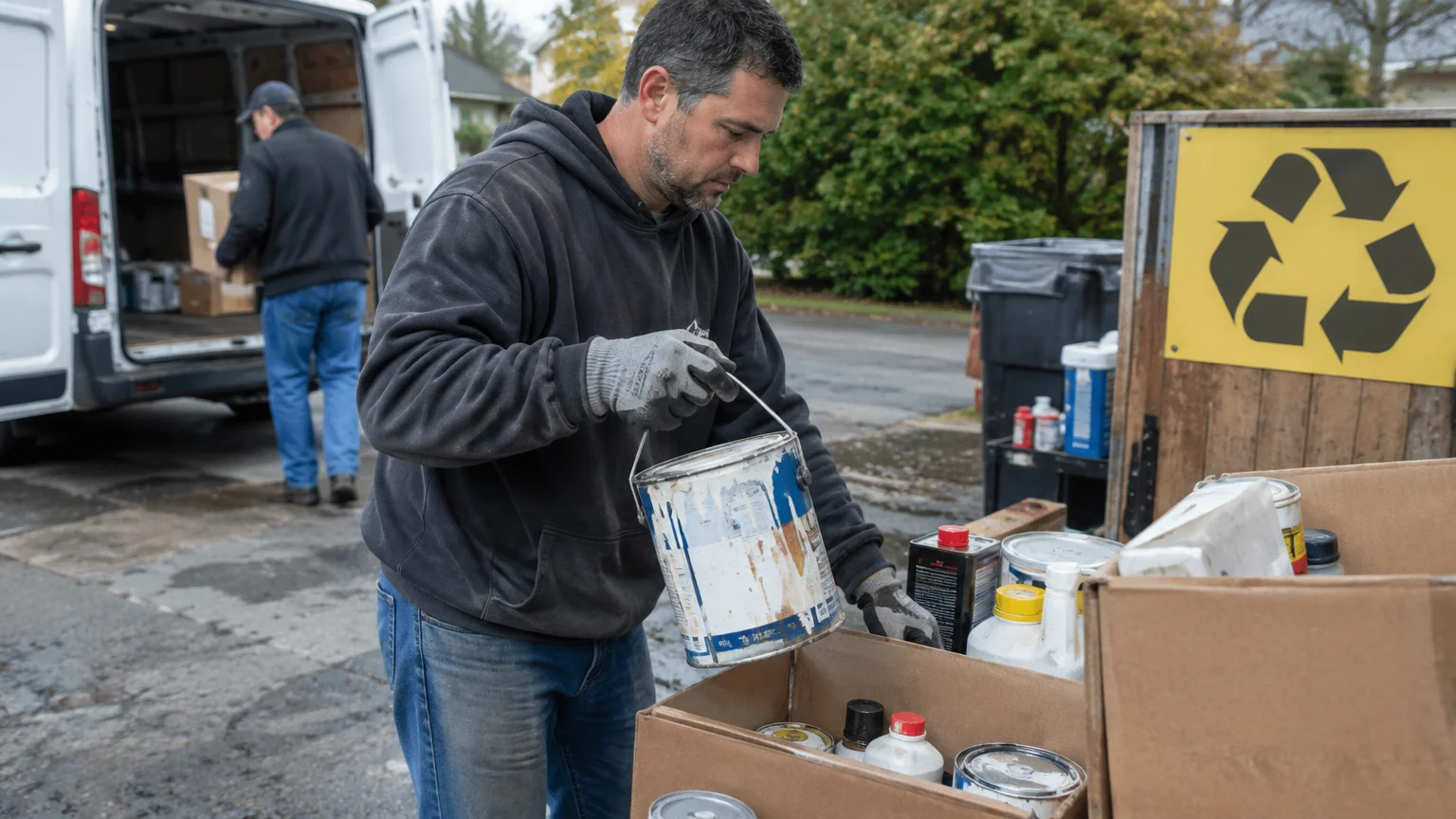
Do not put paint, batteries, cleaners, propane containers, or other household hazardous waste in normal trash. Use the local household hazardous waste program instead. When leftover materials are too large to move safely, Moving Services or Loading & Unloading Help may assist with moving labor, depending on the item and service area.
What should you do if something is damaged or missing?
Document a damaged or missing item as soon as you find it. Keep the item, box, padding, and papers together until the moving company gives instructions. Early records make it easier to explain what happened.
Document the condition of items and packaging promptly
Take clear photos from several sides. Photograph torn boxes, crushed corners, broken padding, water marks, and labels. Write down the item name, box number, and package condition. If several pieces are missing, list each one.
Do not throw away damaged packaging before the claim process is clear. Do not repair, clean, or discard a damaged item unless safety requires it. Keep people and pets away from broken glass or other hazards.
A moving claim is a formal request to review loss or damage during a move. It may include delivery records, an inventory, photos, and a description of the problem. The moving company can explain its process and any deadlines.
Review your moving paperwork and contact the moving company
Check the estimate, inventory, bill of lading, delivery record, and other papers. Note damage recorded at delivery. Contact the moving company through its normal support channel. Keep copies of messages, forms, and photos.
The company may ask for more details or an inspection. Follow its instructions and avoid guessing about facts you do not know. If separate providers handled packing, loading, transport, or delivery, note which company did each task.
For future moves, keep important papers in a personal bag. This includes identification, lease or closing papers, insurance details, medicine information, and contact records. Keeping them close makes the first week easier.
How can you make the first week in your new home easier?
The first week should focus on safety, basic routines, and steady progress. A home does not need full decor before it feels useful. Small daily wins can help homeowners, tenants, and business owners return to normal life.
Complete essential household tasks and address safety concerns
Test smoke and carbon monoxide alarms as the maker instructs. Check doors, windows, stairs, and walkways. Store knives, cleaners, tools, and medicine where children and pets cannot reach them. Replace damaged cords and keep cables from creating trip hazards.
Update the address for important accounts, deliveries, insurance records, and registrations. Learn where the main water shutoff, electrical panel, and emergency exits are. Tenants should report damage through the process listed in the lease.
Set up trash and recycling routines early. Find out when containers go out and where bulky items belong. This keeps boxes and waste from blocking driveways, halls, or shared spaces.
Create routines that help homeowners, tenants, and businesses settle in
Keep breakfast, sleep, medicine, and work times as normal as possible. Use one basket for items that belong in other rooms. Return those items during a short evening reset. This builds order without needing a full-day project.
Businesses should label shared equipment, protect private records, and confirm that staff can reach needed tools. A simple map of desks, storage, and supplies can prevent repeated searches. Apartment residents should keep halls and shared exits clear while opening boxes.
Beaumont Movers serves the main Beaumont area, from Old Town and Caldwood to Vidor, Lumberton, Nederland, China, and nearby communities. The team can help people plan remaining moving work. Whether the need is packing, lifting, transport, or careful handling, a clear plan can make the first week easier.
Key takeaways for unpacking after moving
The best unpacking after moving tips are simple. Prepare essentials first, work by room, and clear waste as it appears. A home feels comfortable sooner when each task has a clear purpose. The same method works for a house, apartment, condo, or small office.
Use a focused first-day and first-week checklist
- Prepare bedding, bathroom supplies, food, medicine, and chargers.
- Make one safe path through each main room.
- Finish one useful room before opening boxes elsewhere.
- Sort items into keep, relocate, donate, and discard groups.
- Record damage or missing items with photos and written notes.
- Flatten boxes and follow local recycling and disposal rules.
- Set up safety checks, address updates, and basic home routines.
Frequently Asked Questions
How long should unpacking take after a move?
There is no single right timeline. Essentials may be ready on the first day, while storage and decor take longer. A short daily plan often works better than one exhausting session. Home size, box count, work hours, and available help all affect the pace.
What should stay out of the moving truck?
Keep important papers, medicine, keys, chargers, valuables, toiletries, and items for children or pets with you. These supplies are easier to find in a personal vehicle or marked essentials bag.
How should someone pack dishes for moving?
Wrap plates and bowls separately. Add padding between pieces and place plates on their sides in a strong box. Fill empty spaces so items cannot shift. Mark the box as fragile and keep heavy items off it. Professional Packing Services can help with fragile or valuable kitchen items.
What can someone do with leftover moving boxes?
Clean boxes can be saved for storage, offered to neighbors, or donated through a local group. Flatten cardboard for recycling when accepted. Wet, crushed, or dirty boxes should follow local disposal rules instead of staying indoors.
What should happen when a moving item is damaged?
Photograph the item and packaging. Keep the papers and write down what happened. Contact the moving company through its claim process. Do not discard or repair the item until the company explains what it needs.
Beaumont Movers can help with moving support, including packing and labor needs that remain after a move. Contact us to discuss the next step.